2025/26
Ongoing Exploration
This third year, I stayed mostly domestic. Yet through musical engagements, I had the privilege of traveling across the country. Each trip brought new lessons—climate, people, culture, landscape. And with every place I visited, I came to realize: there is still so much of America left to discover.
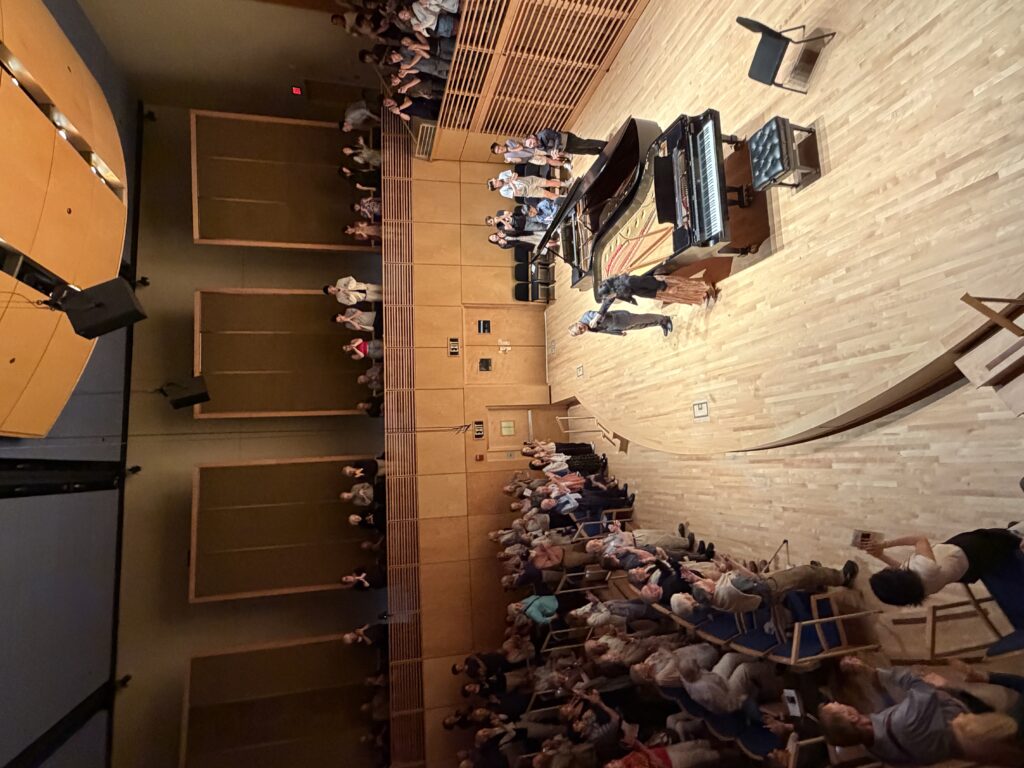
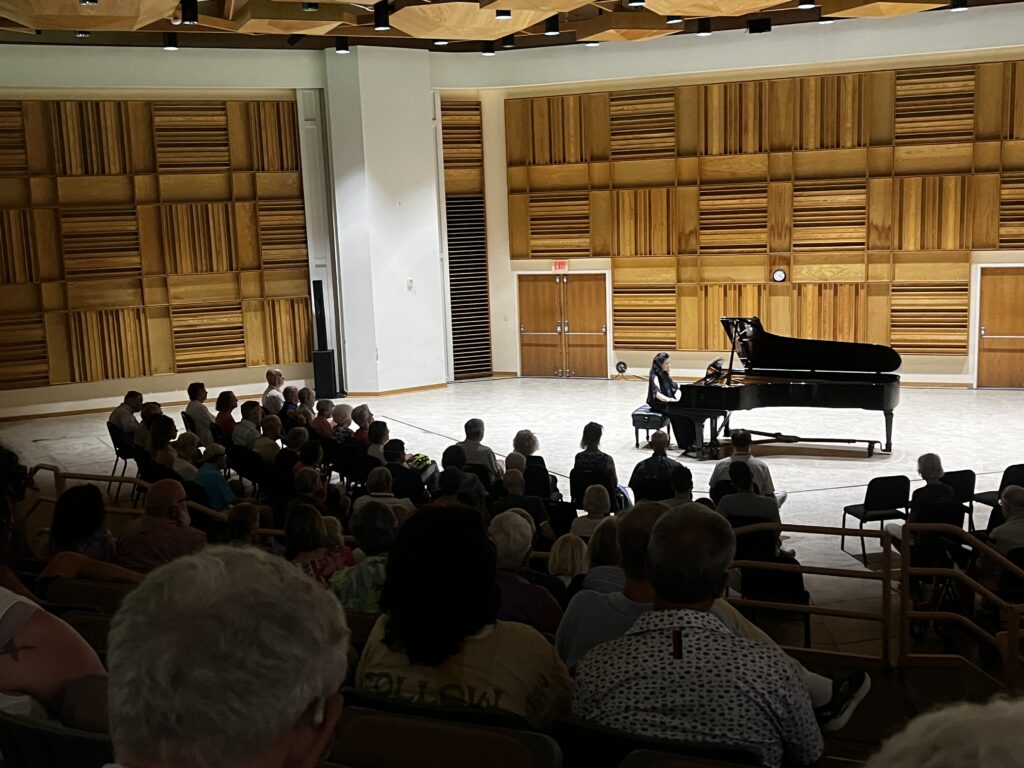
Fall 2025 took me, beyond my regular teaching at Peabody, to Florida (Boca Raton), Georgia (Columbus), Indiana (Bloomington), South Carolina (Rock Hill), and Ohio (Oberlin) for solo recitals, masterclasses, and competition judging. Meeting audiences and students remains the heart of any tour, but the stories I gathered along the way—the founding of Lynn University, the visionary leadership at CSU’s Schwob School, the moving sponsorship behind the Takács Beethoven competition—were equally illuminating. And the dedication of the pedagogues I met at SCMTA left a lasting impression on me.
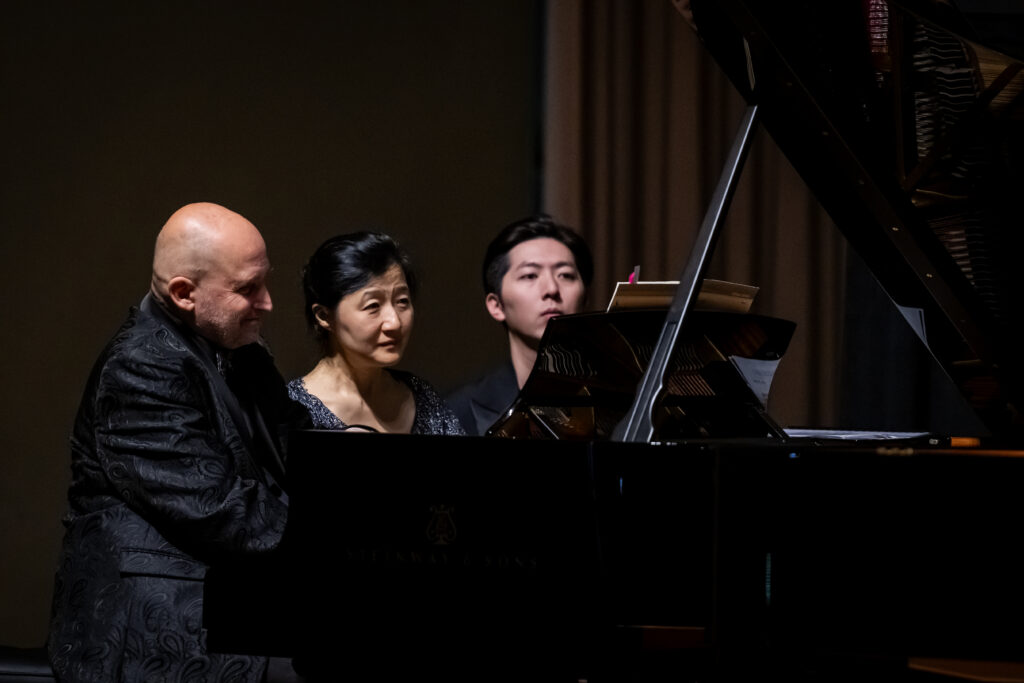
There was also a nostalgic visit to Indiana University, my alma mater, and a collaboration with Émile Naoumoff—whose seminar I once took at IU—for Peabody’s Adalman Series, in homage to Sebők and Boulanger, two masters whose shared artistic philosophy left us both, Naoumoff and me, deeply indebted.
Winter was harsh but strikingly beautiful. I had been already warned of a snowstorm and possible lockdown in Chicago, where I was to judge IYACC, a concerto competition with orchestra. Nothing could stop the young performers. They all flew in and played exuberantly. Fearless teenagers! People often worry about the decline of classical music in the U.S., but at IYACC, I witnessed incredible young talent and passion from everywhere. And I have never seen snowfall so wild outside of a movie.
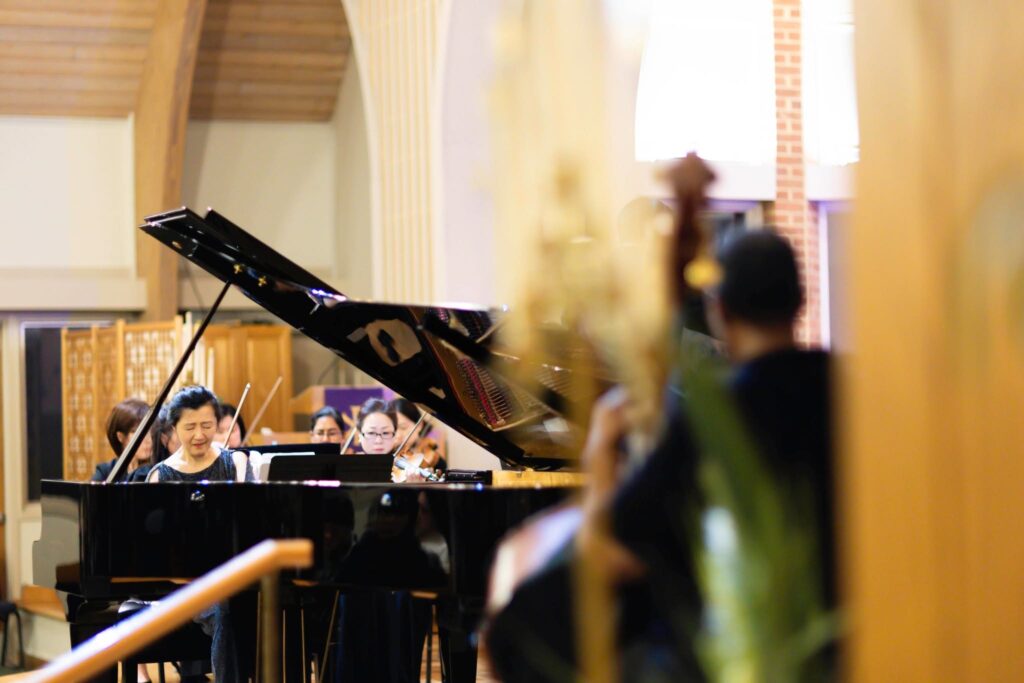
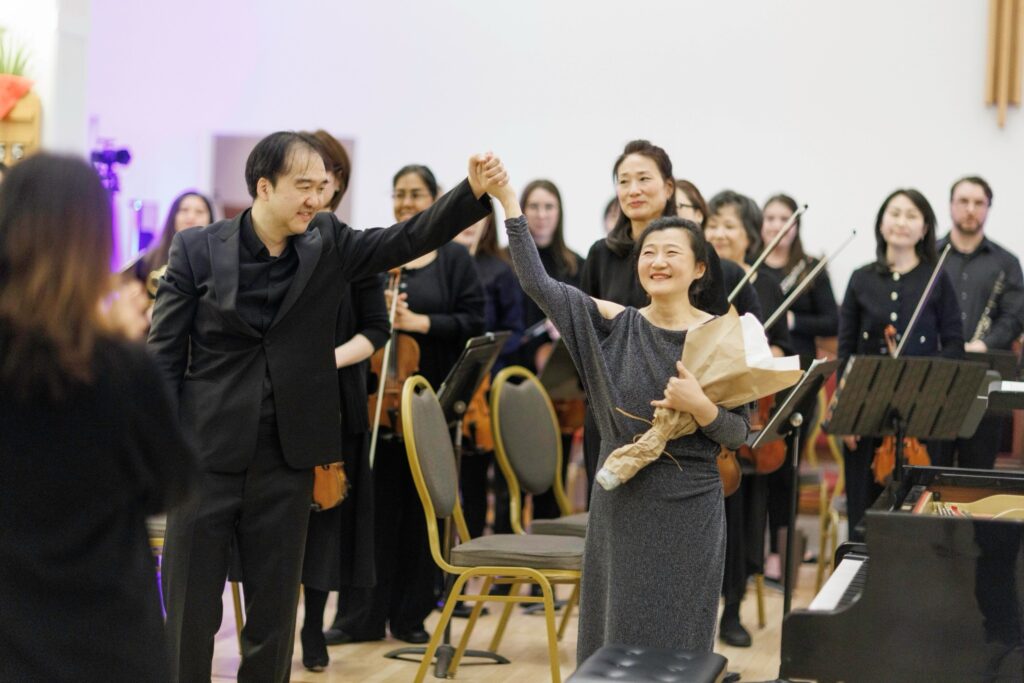
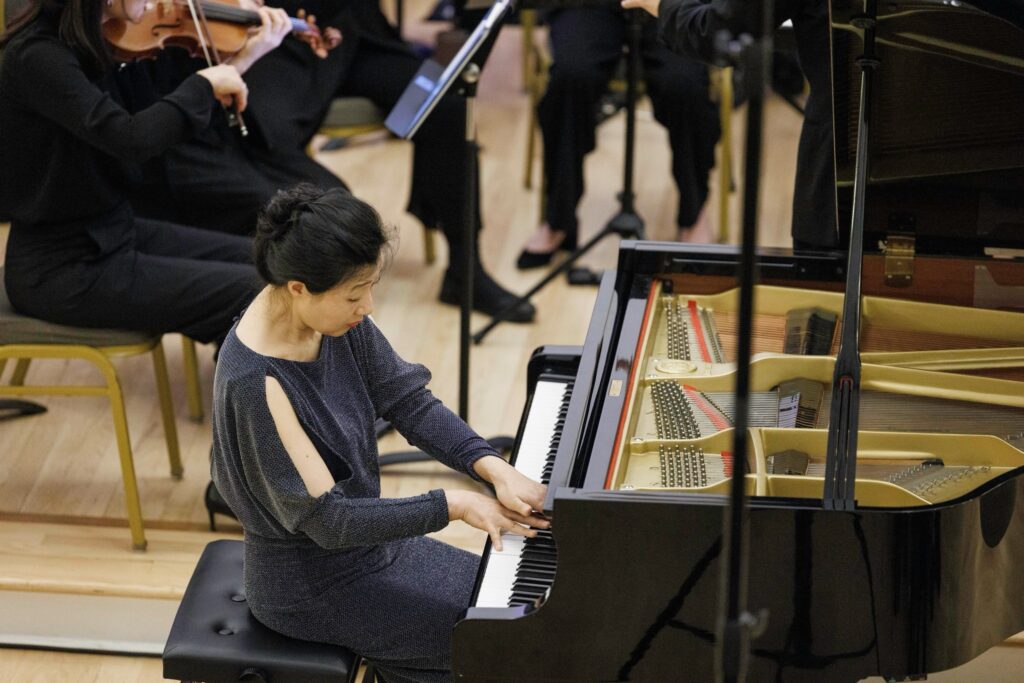
In spring, I performed Beethoven’s First Piano Concerto with the Washington Chamber Orchestra in Fairfax and Columbia. I love the freshness and youthful energy of that piece. The audience’s enthusiasm, and the collaboration with WCO, are things I remain deeply grateful for.
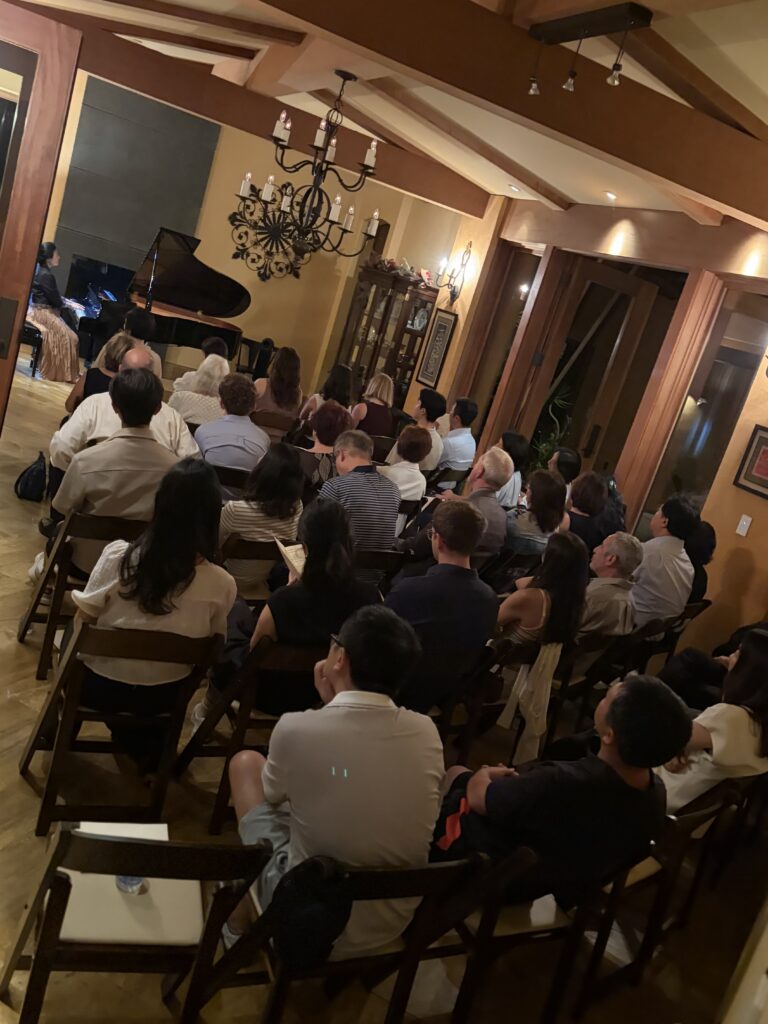
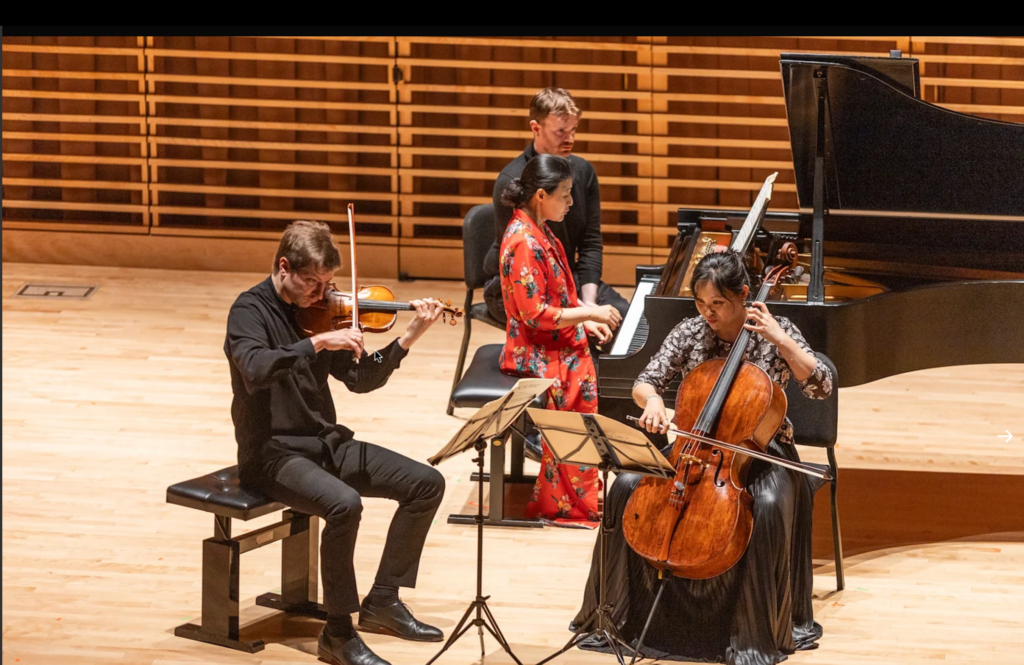
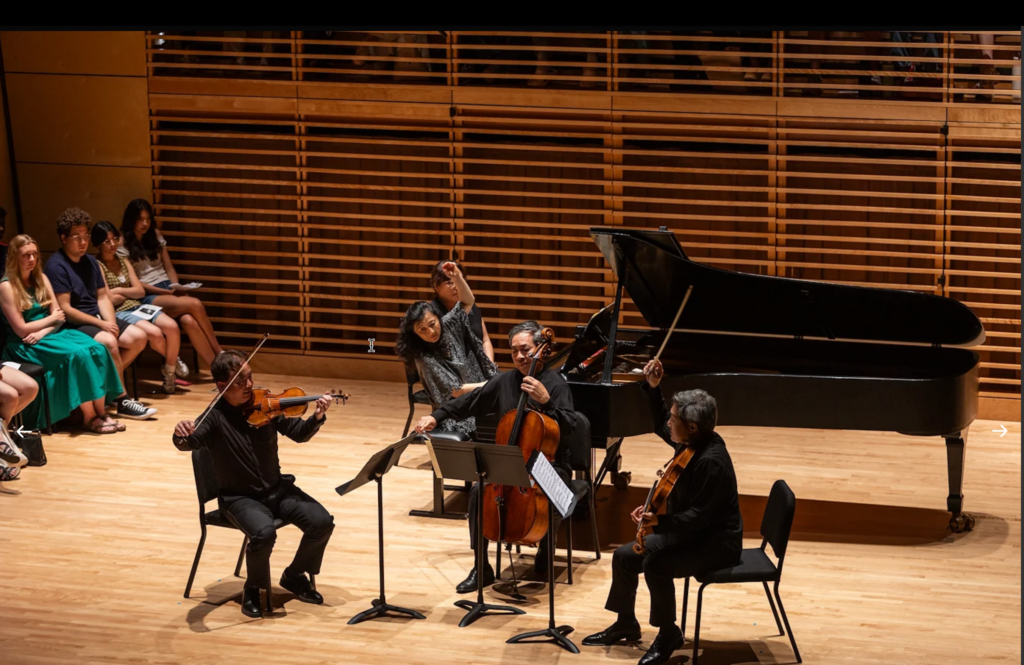
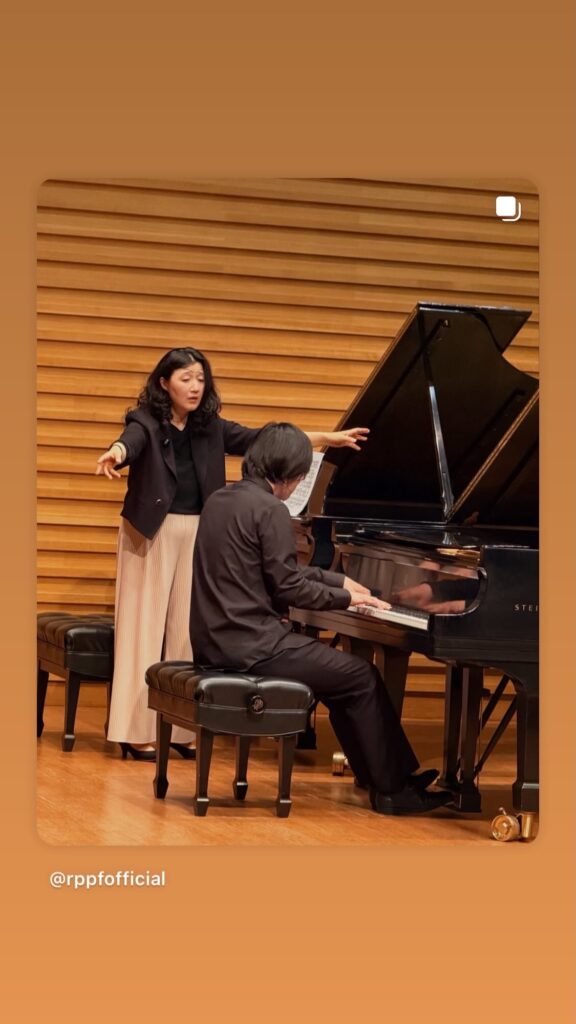
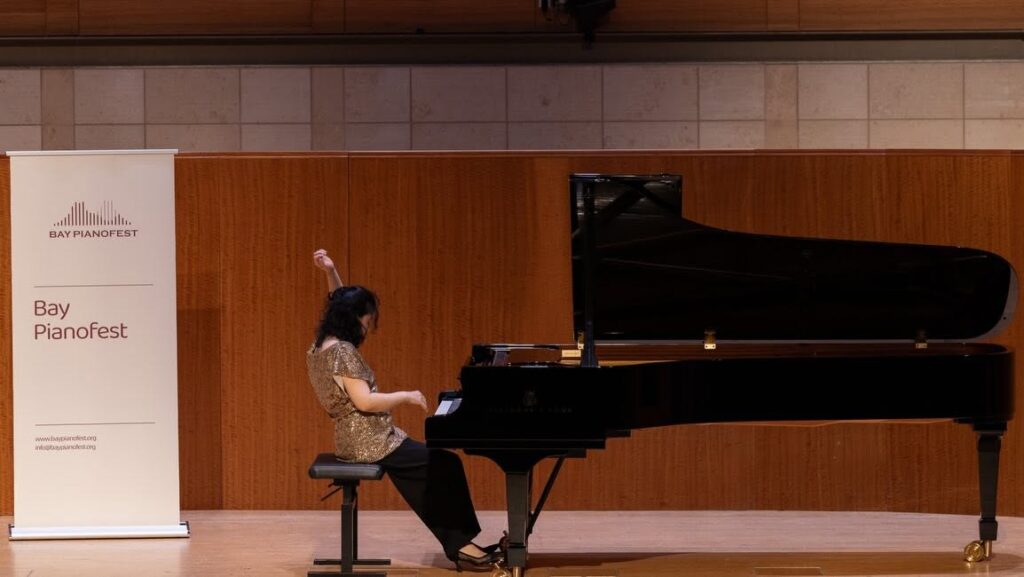
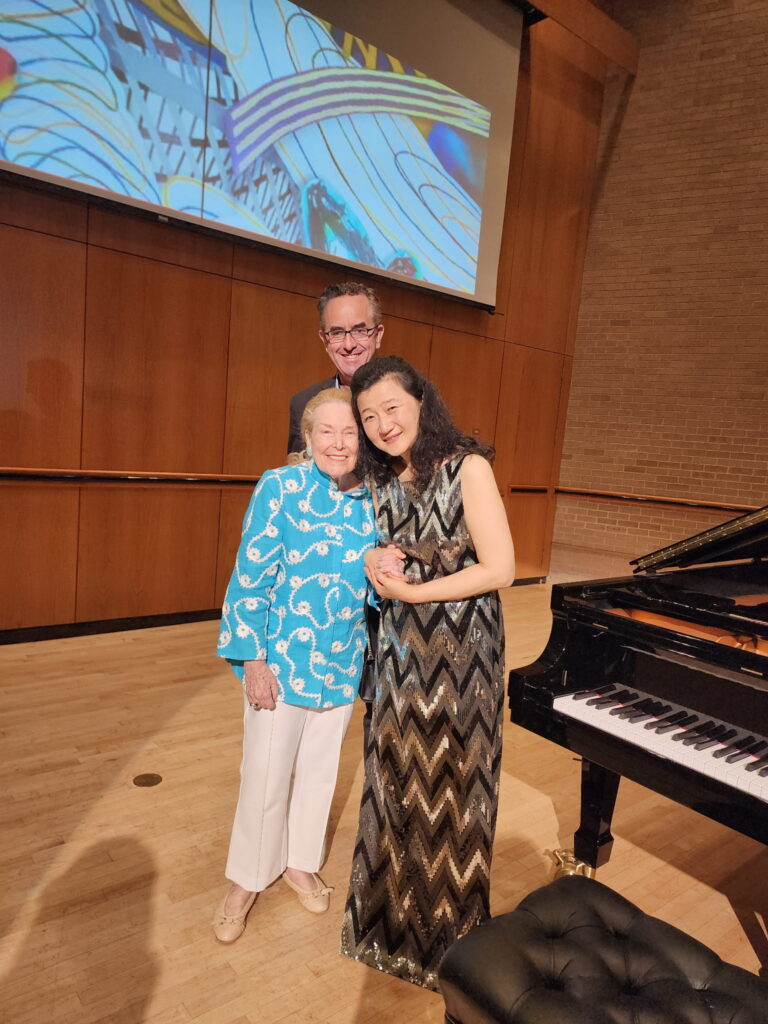
Summer brought me back to festivals in Tampa (RPPF), Bowdoin (BIMF), San Francisco (Bay Piano), and DC (Fleisher)—always a joy to reconnect with students and colleagues. I was also invited to the Texas Music Festival in Houston and to Chautauqua Festival School. Chautauqua felt like something out of a fairy tale, almost too idyllic to be real. And in Houston, the recital sponsor’s beaming happiness and joyful tears were a moment I will never forget.
Perfection, Devotion
The summer closed with an invitation to Tokyo to judge the PTNA Japan competition—likely the largest piano competition in the world by scale: 25,000 participants across 200 rounds, entirely within Japan.
I was awestruck by the dedication of PTNA’s leadership and the country’s unceasing passion for piano music. The level of both participants and domestic jurors matched international standards. The hall’s acoustics and the meticulous upkeep of the stage piano were extraordinary. It felt as if we were sitting inside the instrument itself, with hardly any distance between the stage and any seat in the audience. With my eyes closed, everyone sounded like a professional recording. The only things occasionally missing were spontaneity and ‘Schwung’ (a word that resists translation). My sincere compliments to Japan’s music schools, especially for their exceptional training in sound production, polyphony, and structure.
I must also mention Mr. Kato and Mr. Fukuta, PTNA’s director and sponsor. Their hearts were, quite literally, connected to every pianist in Japan—young or old. Their pride and joy at each successful performance were unmistakable. I wish there were more people like them everywhere. What they have built isn’t just a competition—it’s a legacy, formed one devoted heart at a time. I already find myself looking forward to returning.
The three-day stopover in Seoul was bittersweet, and soon I was back in Baltimore. I can now call it home, though I still feel new—and perhaps that is the most honest way to describe this journey: another exploration is about to begin, with gratitude for all that’s ahead.